



LIID PROJECT PRESENTED AT THE 35TH INTERNATIONAL URBAN PLANNING EXHIBITION IN NIŠ
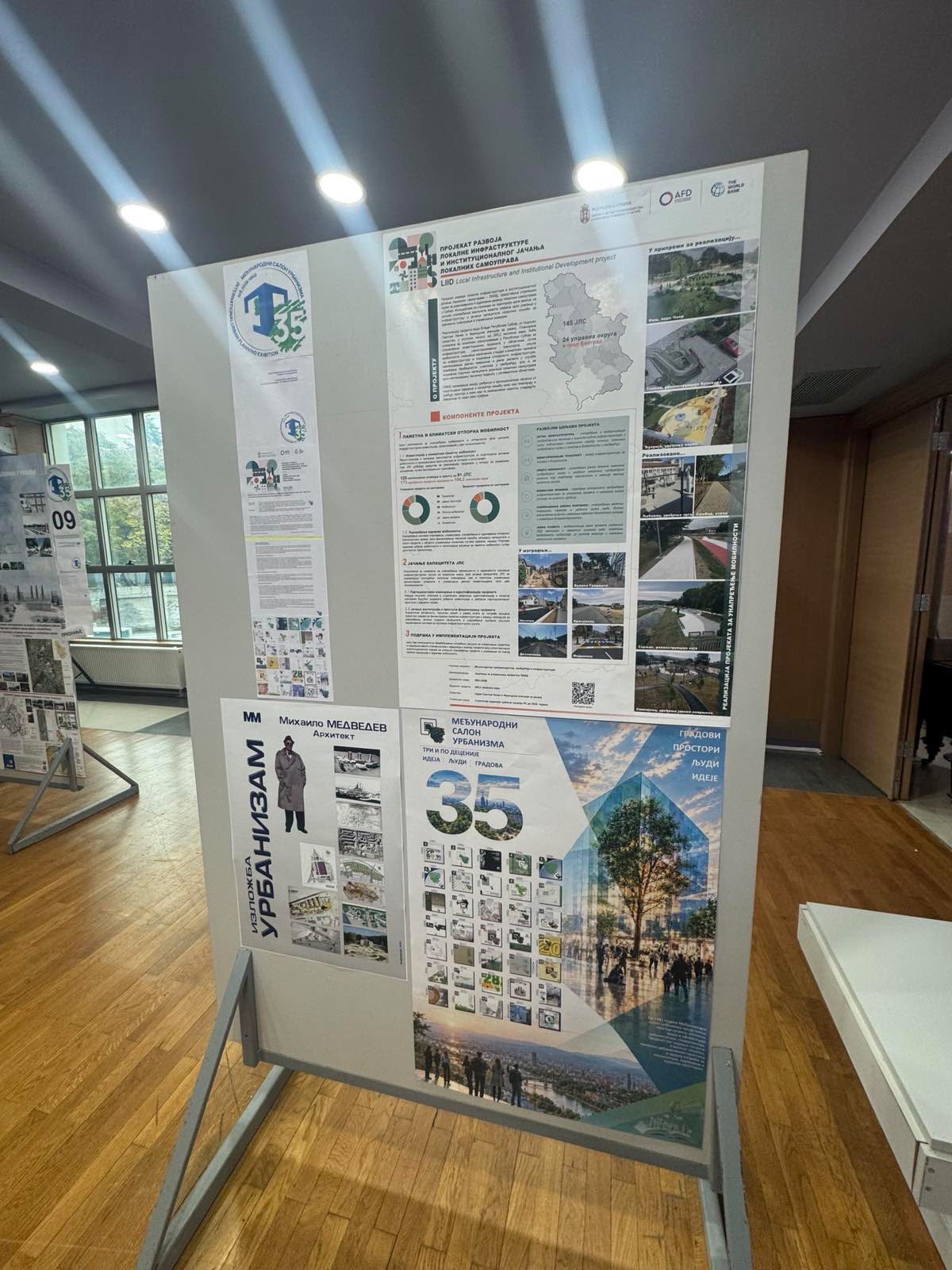
The Local Infrastructure and Institutional Development Project (LIID) is taking part in the 35th International Urban Planning Exhibition, officially opened on 6 November at Svetosavski Dom, located in the courtyard of the Cathedral Church in Niš. The project is featured in the Exhibition’s promotional programme, under the category “Institutional Programmes for Urban Development”.
The 35th edition of the International Urban Planning Exhibition is being held in Niš, where the event was first established in the 1990s. Over the past three decades, it has developed into a well-established professional event, bringing together urban planners, spatial planning experts and representatives of institutions and organisations from Serbia and abroad.
This year’s Exhibition has brought together professionals from Serbia, Bosnia and Herzegovina, North Macedonia, Montenegro, Slovenia and Greece. The projects on display highlight contemporary urban planning solutions, sustainable development and approaches to shaping urban environments that respond to the needs of residents.
The Exhibition provides a platform for exchanging knowledge and experience, exploring current approaches to urban and spatial planning, and addressing the challenges faced by local self-governments. It also creates opportunities to strengthen professional and institutional cooperation at national, regional and international levels.
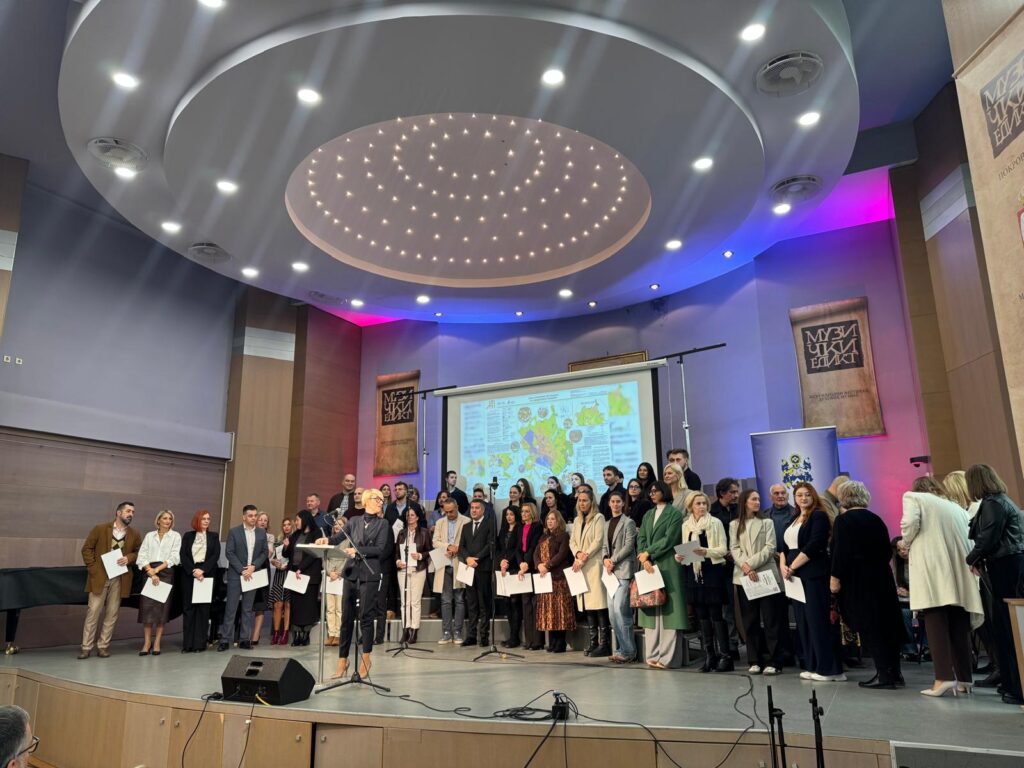
During the opening ceremony, awards were presented for outstanding achievements across 13 categories, including spatial and urban planning, infrastructure solutions and environmental protection. The exhibition will be open to visitors from 7 to 10 November at Barutana, located within Niš Fortress.
The LIID Project’s participation provides an opportunity to present activities being implemented in cities and municipalities across Serbia, focusing on improving local infrastructure, advancing sustainable urban mobility, protecting the environment and strengthening the capacities of local self-governments. These efforts contribute to the development of safer, more sustainable and better-planned urban environments that enhance the quality of everyday life for residents.